Selected Projects
Jarvis
A study assistant that runs entirely on this laptop — a 3B model in Ollama sized to fit a 4 GB GPU, Whisper on the CPU so the GPU stays free, and an Obsidian vault as long-term memory. Facts are grounded in real APIs rather than model recall: it verifies repositories against the GitHub API and pulls papers straight from arXiv, built that way after a local model and a frontier model both confidently invented the same repository that did not exist. A router reads a plain sentence, picks the tool itself, and prints which one it chose.
Zero → Robot
A 15-month self-taught robotics curriculum, built as the dashboard I actually use — gates, quests, XP, streaks and a daily target, rendered as a Solo Leveling “System” interface. It is multiplayer: anyone can sign in and get their own editable roadmap, seeded from mine as a starting template. Next.js 15 with Clerk auth and Neon Postgres, plus an in-app reader for the textbooks whose authors publish them free.
Chassis Workbench
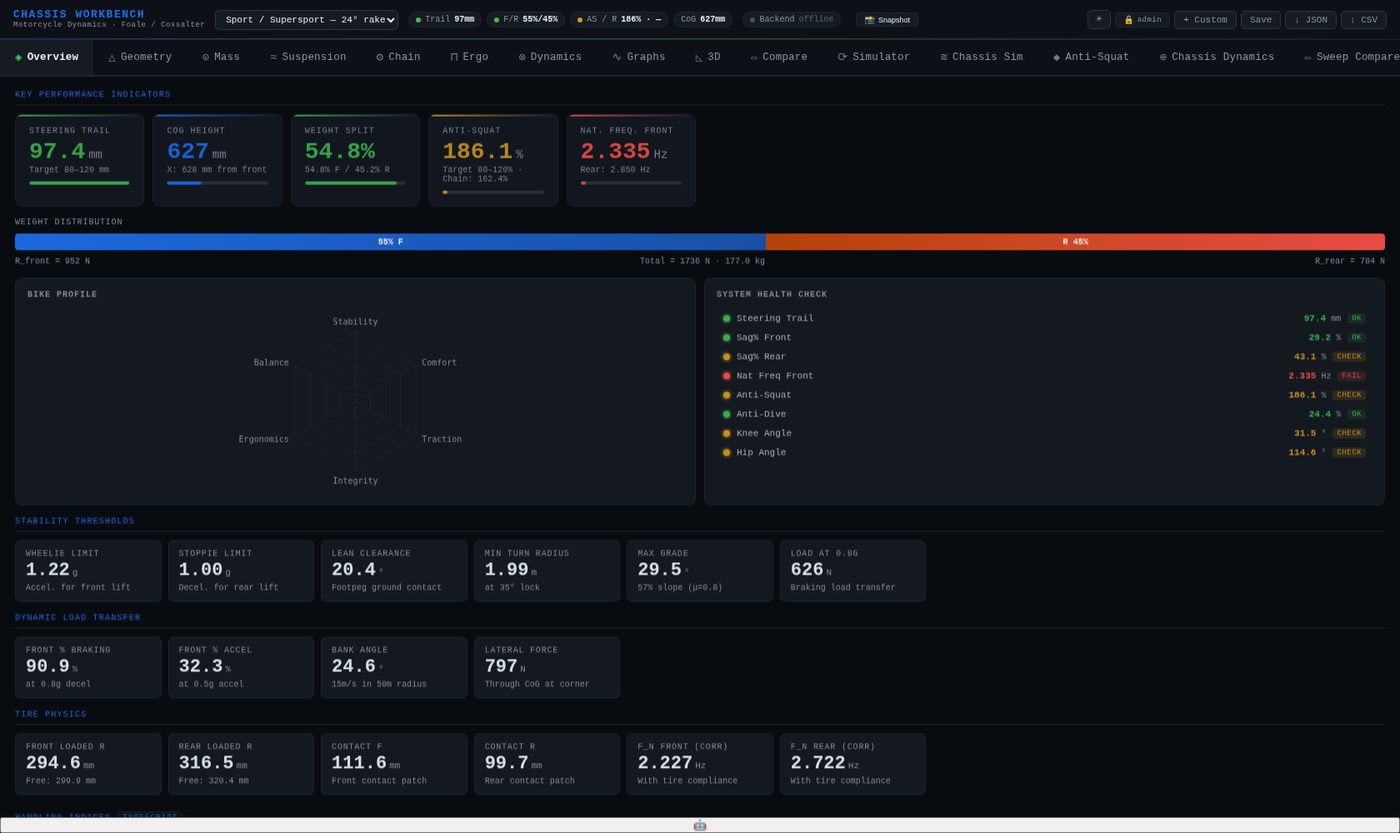
A 32-tab motorcycle chassis design workbench — geometry, suspension kinematics, anti-squat/anti-dive, stability and structural targets, with every number traceable to Foale & Cossalter textbook equations. Twin physics engines (TypeScript for instant feedback, Python/FastAPI for sweeps, sensitivity, Monte-Carlo and optimization) plus a generalized-alpha multibody solver.
moto_sim
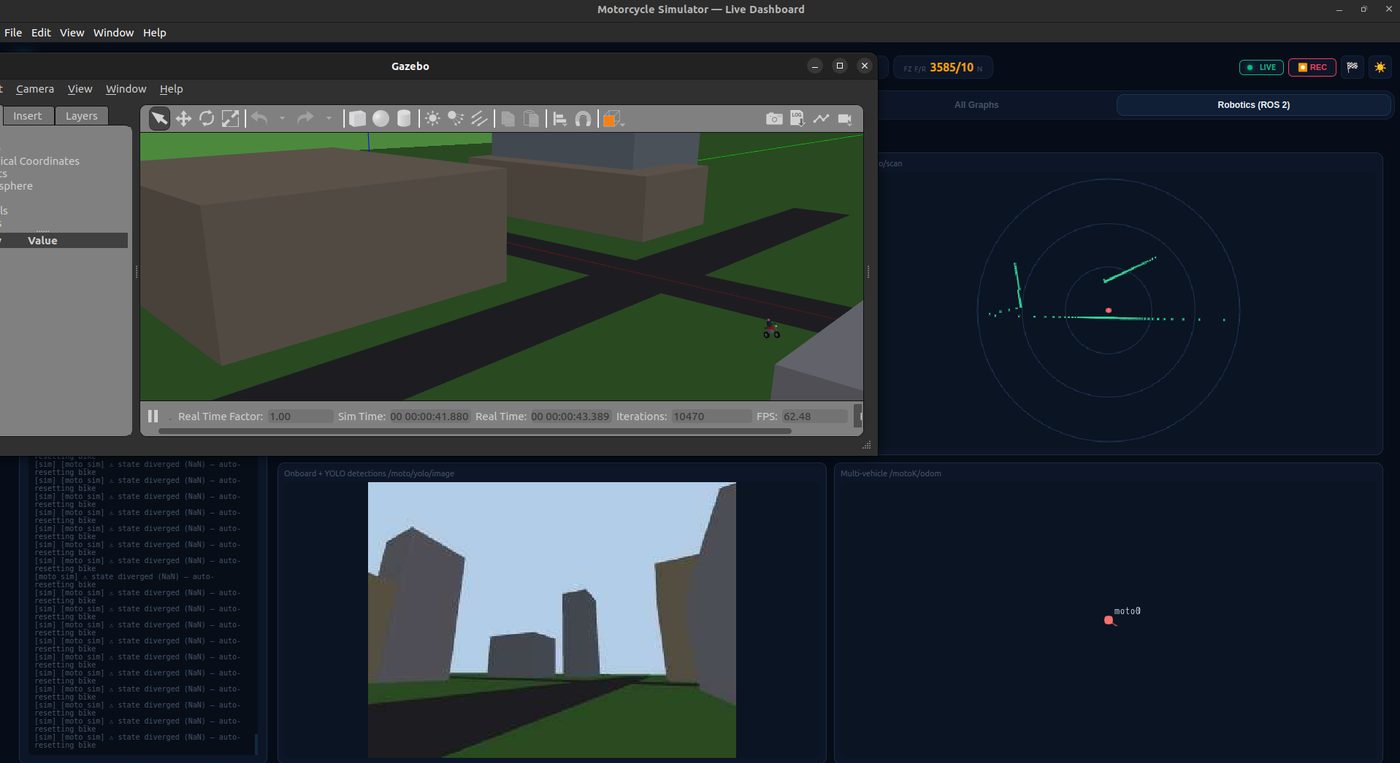
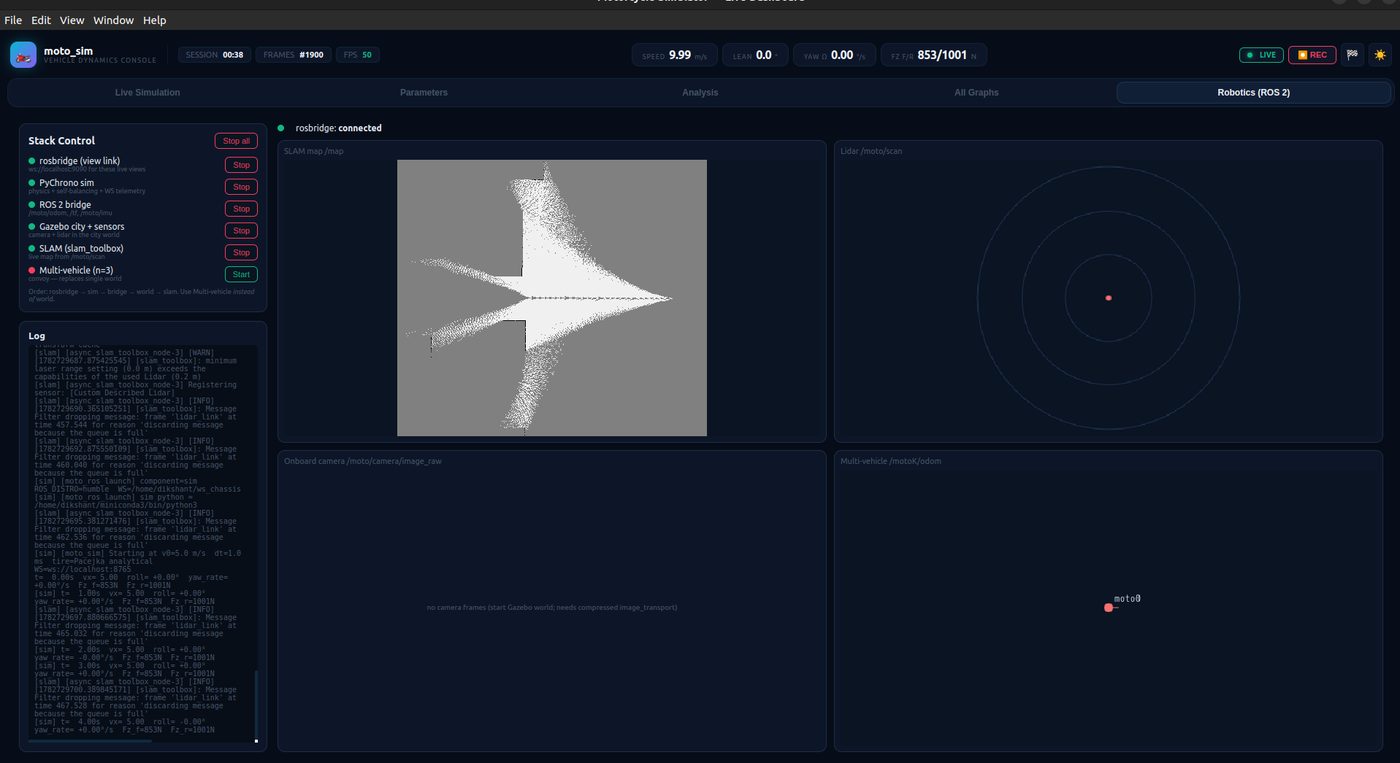
A laptop-class motorcycle simulation platform: PyChrono multibody physics with PINN tire models, a live Electron dashboard, and a ROS 2 / Gazebo digital-twin stack with SLAM, LiDAR and onboard-camera YOLO. Validated against the published Whipple bicycle benchmark to 0.02% eigenvalue error — a screening tool for teams who can't afford Adams/SIMPACK.
MambaRUL Studio / BatteryOS
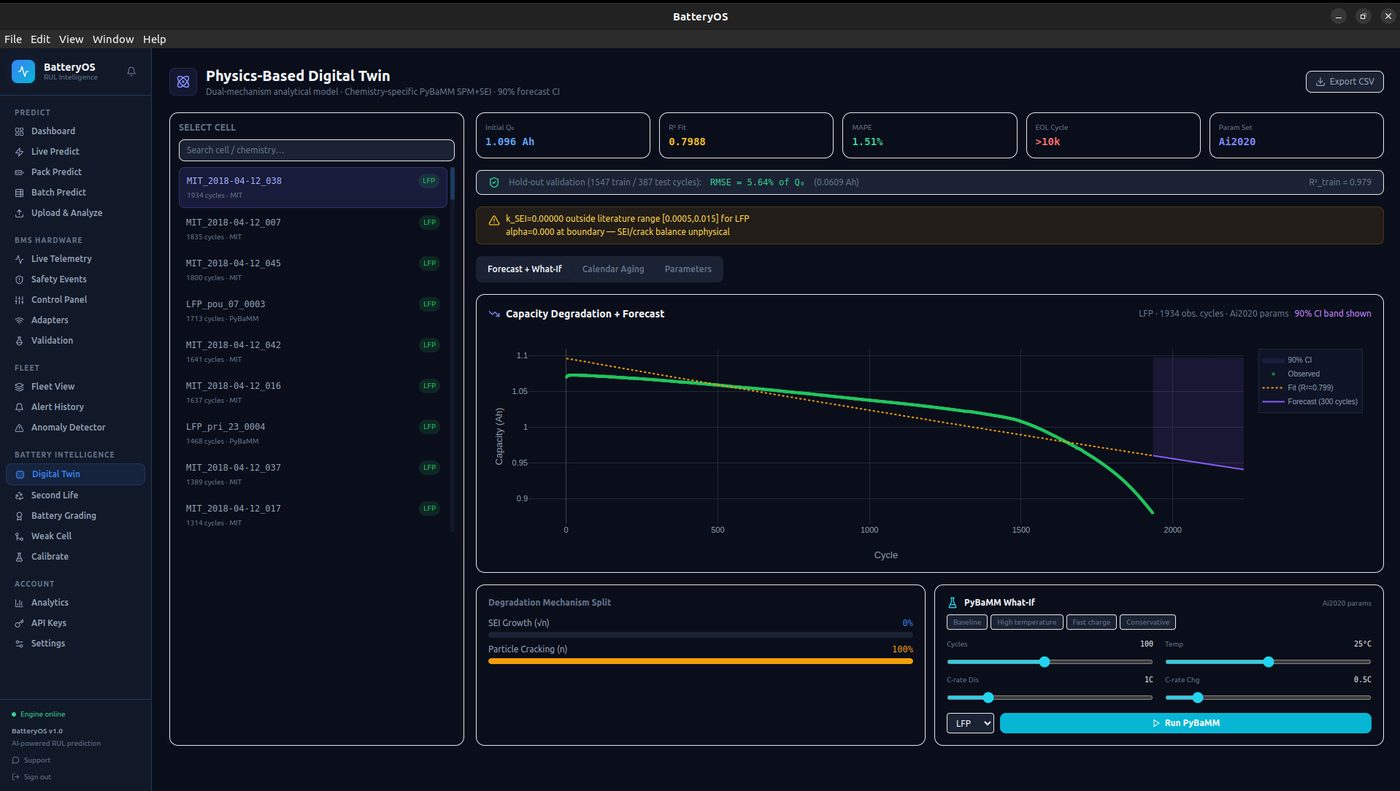
A battery RUL/SoH platform built around a Mamba state-space model (−60% RMSE vs the MIT benchmark) with conformal uncertainty on every prediction, a PyBaMM physics digital twin, a DeepONet thermal-field operator that reads internal core temperature from standard BMS signals (RMSE 1.24 °C), pack-level GNN corrections, and second-life grading — shipped as two Electron desktop apps on one FastAPI backend.
WarrantyLens
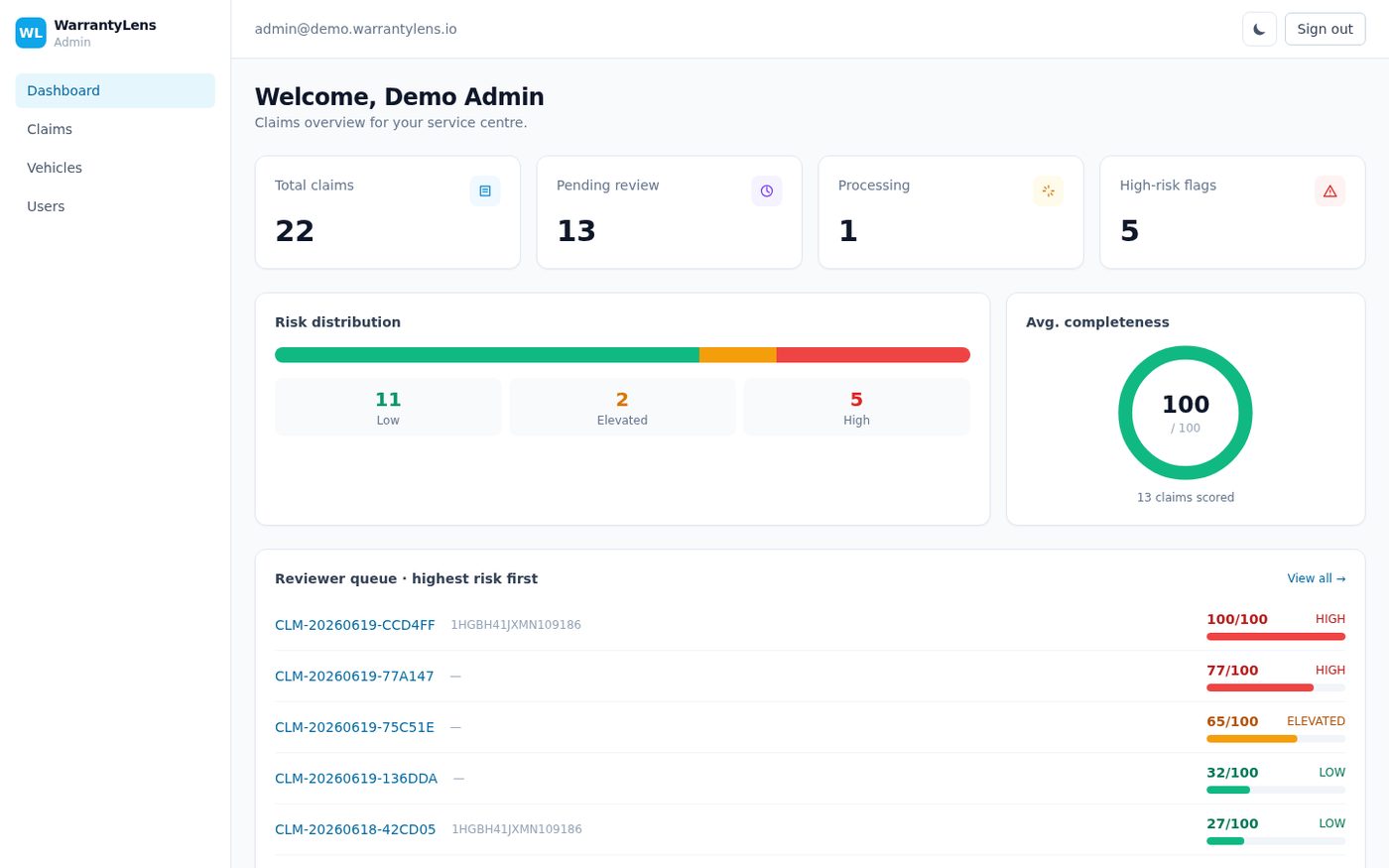
An advisory, human-in-the-loop EV warranty inspection assistant: mechanics upload photos/video, a pipeline of fine-tuned YOLOv11 (mAP50 0.68), a vision-language model, OCR VIN verification, serial-number lifecycle tracking and simulated telemetry produces an evidence-linked risk score and a unified defect-vs-misuse verdict — the reviewer always makes the final call. 43 API paths, 28/28 tests green in CI.
EV Drone Inspector
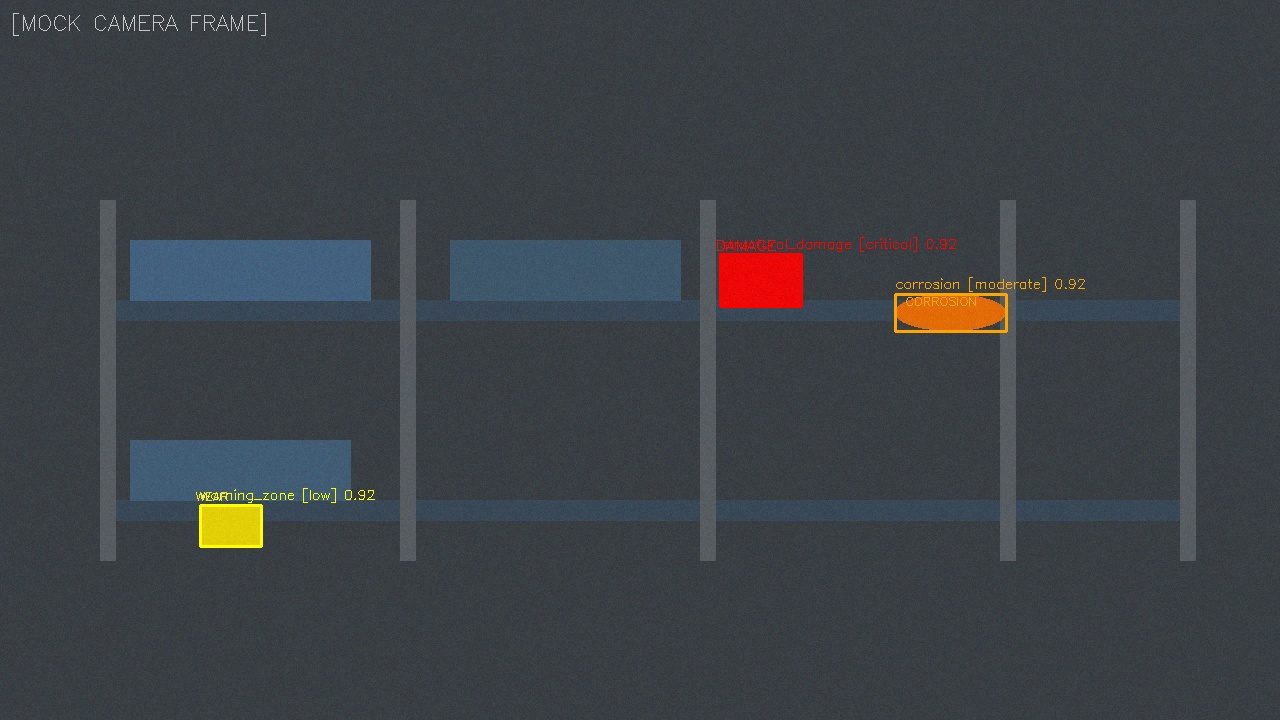
An autonomous warehouse-inspection drone, simulated end-to-end: PX4 SITL + Gazebo warehouse, a persistent 20 Hz offboard flight controller with smooth carrot trajectories and divergence guards, live YOLO defect detection, a browser control center with a drag-and-drop warehouse editor and click-to-fly — and a PDF inspection report on landing.
Career Copilot
A local-first job-search co-pilot: your resume, thesis and papers go into a ChromaDB vector store; Claude + RAG analyzes job descriptions, ranks fit, tailors ATS-ready resume PDFs and writes cover letters. An Electron desktop app over a FastAPI backend, with a deliberate co-pilot stance — it prepares everything, you submit.
RetroFitAI
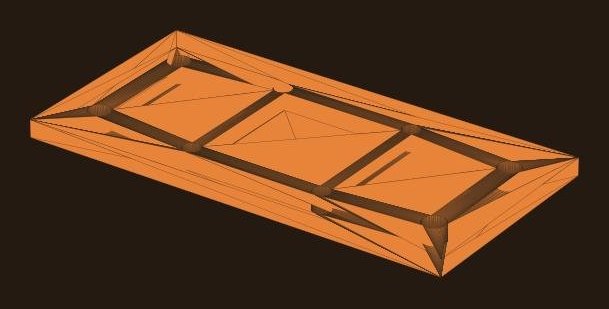
An ICE-to-EV retrofit design engine: parametric mounts, brackets and battery trays generated as STEP/STL, re-ranked by FEA, with a GNN surrogate trained on the SimJEB jet-engine-bracket dataset. The generative motor mount shown here cut mass by 65% versus the baseline bracket while passing its load cases.